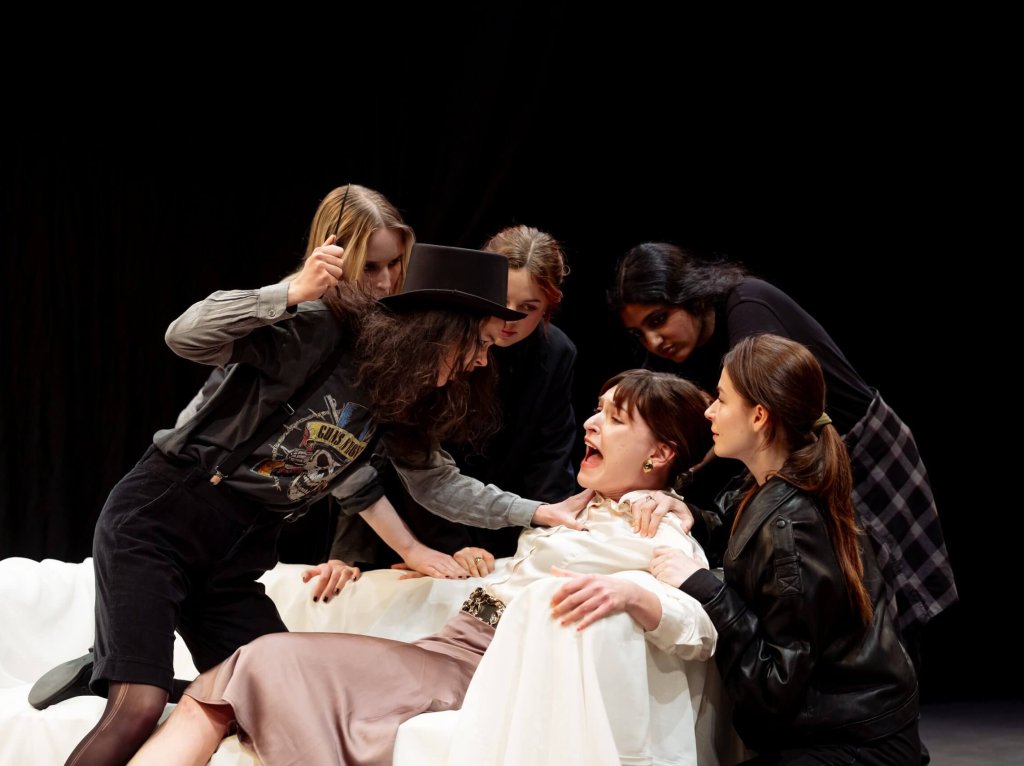


Do you love being on stage? If it’s your ultimate passion, then you may have already found your calling—or at least your way in. A lot of artists first find theater through performance opportunities in their youth, from school to community theater, local dance studios, and more. These early experiences can plant a seed to envision a life in the entertainment and culture industry.
Perhaps you once had a love of performing, but you are looking for something different now. Performance is not the only role. The field for entertainment workers is vast—for every person onstage there are another dozen people working with exceptional talent off stage. Often these people have common early roots in performance like you, but their path led them to discover more appealing options. That is why careers in the performing arts reach far beyond the stage.
Just as talented performers require technical skill and creativity, so does everyone who comes together to envision and create a project.
Think beyond the footlights: performing arts careers off stage
Let’s explore some roles that exist across the entertainment and culture field beyond performing. These are the main jobs in the entertainment industry, grouped into six families:
- Creative Team
- Producers
- Technical Team
- Talent Advocates
- Arts Administrators
- Educators

1. Creative Team
The top of the creativity pyramid. Their work begins long before a project is cast.
Writer | Composer | Show Runner: Every creative project begins as an idea in someone’s head, begging to be brought to life. Scripts, screenplays, stories, books, and/or scores are often the first step, then evolve throughout the creative process.
- Director: The idea becomes vision through this artist. Their job is to deliver the idea to an audience by interpreting how it looks, moves, sounds, emotes, and flows. From conceptualization and designing to casting and staging, this person is the hub of the creative wheel, uniting all moving parts.
- Designer: These artists conceive the scenic environment or location, costumes, props, lighting, sound, or effects in close collaboration. They also oversee the drafting, build, installation, and functionality of their designs.
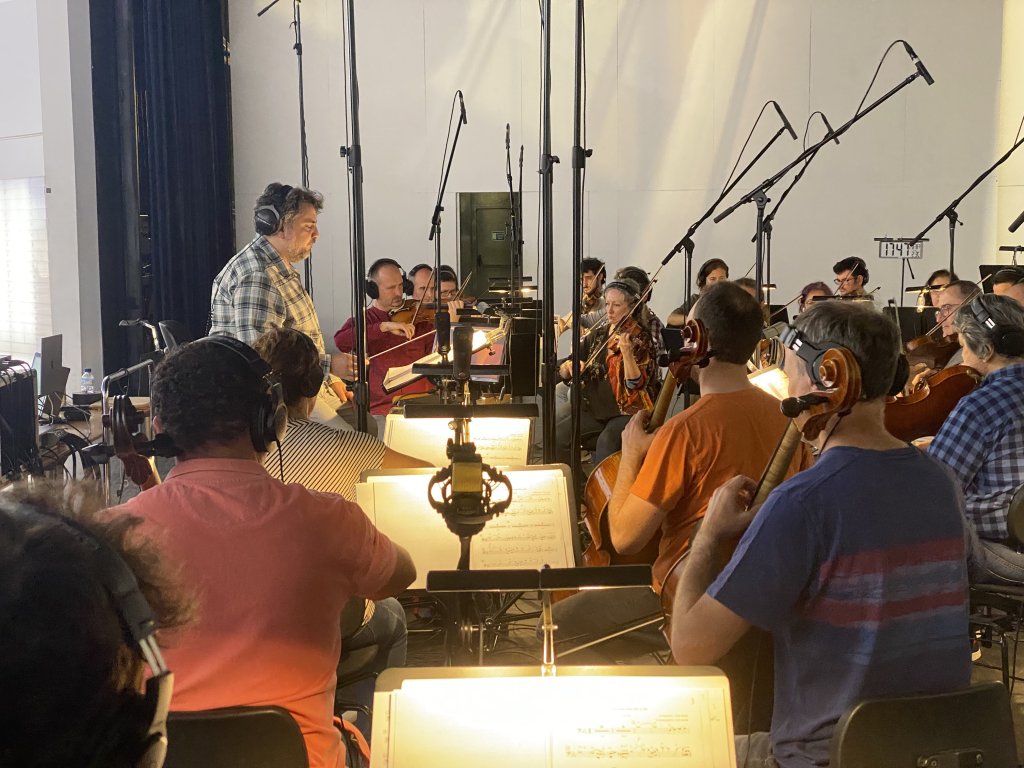
- Choreographer & Music Director/Conductor: These artists help bring the idea and vision to life. Making decisions on how the characters move or music is interpreted, the roles are integral to the conception and staging process.
- Vocal or Dance Arranger & Orchestrator: These artists help build out the original musical score. Arrangers collaborate on vocal harmonies and dance breaks, sourcing the existing music. Orchestrators collaborate on the parts for instruments involved.
Support roles
- Associate or Assistant: help by cleaning, organizing, facilitating, and contributing creative ideas.
- Resident Director or Supervisor: maintains quality control for longer runs—re-casting, putting in replacements, or remounting.
- Vocal or Dance/Line Captain: usually a cast member, helps maintain consistency in the singing and movement.
2. Producers
Develop the project and connect it with patrons, creatively at that.
- Lead Producer | Executive Producer: The head of the company. They bring creative concepts to a realized life, whether developing their own or other artists’ projects. They work with investors on finances, overseeing the artistic process from beginning to end.
- Artistic Director: They choose a season, assemble creative teams, develop projects, attract donors, and often conceive and stage.
- General Manager | Managing Director: The business side, overseeing day-to-day operations, finances, and human resources.
- Presenter: Brings touring productions and artists to regional theaters, arts centers, arenas, and other performance venues, connecting with local audiences.
Line Producers: Accounts for the project budget, managing the funds.
Company Manager: Facilitates the company’s HR, including payroll and artist travel/housing. - Line Producers: Accounts for the project budget, managing the funds.
- Company Manager: Facilitates the company’s HR, including payroll and artist travel/housing.
3. Technical Team
Facilitate the creative process, thinking creatively.
- Stage Manager: They run a tight ship. Organizing the artists, personnel, paperwork, and schedules leads to facilitating rehearsals, calling cues in performance, and maintaining a run.
- Assistant Director | “AD”: A stage manager equivalent, managing the film set.
- Director of Photography | Cinematographer: Makes a photographic reality of the director’s vision by overseeing camera and lighting crews, and equipment. They might operate the camera.
- Artisans: Specialized craftspeople who engineer and physically build the conceptual designs.
- Production Manager | Technical Director: Supervise the timely build and installation of the technical designs, including hiring running crews and scheduling technical rehearsals.
- Post-production Editors: Help piece together the final shot and audio choices that result in the final film or video.
- Assistant Stage Manager | 2nd AD: facilitates the work of the team.
- Script Supervisor: maintains continuity from one shot to the next.
- Production Assistant: facilitates the work of the team.
Running crew
They facilitate the technical designs as:
- Carpenters | Linemen: moving scenery.
- Electricians | Gaffers | Operators: delivering lighting and video.
- Audio Technicians | Production Sound Mixers | Boom Operators: live mixing sound, maintaining equipment, and facilitating sound capture.
- Wardrobe Dressers | Stylists: organize, clean, maintain, and help performers in and out of costumes, wigs and make-up.
- Grips: managing on-set equipment.
4.Talent Advocates
Connect performers with producers and creative teams. They understand performance skill and the business side of creation.
- Talent Agent or Manager: Represents contracted performers by procuring auditions, negotiating, making connections, and developing careers.
- Casting Director: Collaborates with producers and creative teams to find performers to fill the roles. They create the breakdowns, narrow the field, and sometimes negotiate offers with performers.
5. Arts Administrators
Support the creative process by connecting a project with audiences, sometimes serving as Venue Operators. This is the world of arts administration.
- Marketing & Public Relations: Help procure an audience by creating and implementing engagement strategies.
- Development: The chief nonprofit fundraisers, procuring community investments that underwrite operational costs beyond ticket sales.
Customer service roles
Work with patrons, facilitating the front-of-house experience.
- Box Office Managers and Representatives: sell and organize tickets.
- House Managers: oversee ushers, concessions, and other front-of-house staff.
6. Educators
Ensure the future by raising new generations of artists and keeping the industry in the conversation.
- Teaching Artist: Passes on the traditions and training methods, specializing across all creative mediums.
- Industry Journalist: Writes about the industry, for the industry, keeping arts workers up to date on the latest developments.
- Critics: approach works from the patron perspective, keeping the art in conversation by providing creative feedback from a public point of view.
- Arts Advocates: These people lobby on behalf of the industry. They may speak with politicians to secure public support and funding for industry projects and nonprofits. They may serve on government or arts nonprofit Boards. They may work in licensing, connecting published scripts and music with producers and creative projects. They may also serve as representative for the various industry unions to garner support and better working conditions for their members.
Think beyond the footlights: performing arts careers off stage
The choices seem endless, so which path do you take? Maybe you won’t know right away. Take my career journey, for example.
I began my dance training at 8 years old, soon after adding drama and voice—I loved being on stage. I imagined I’d be a performer for my whole life. My professional career began in high school and college with regional theater, corporate industrials, and local film. It grew after graduation, taking me around the world and leading me to New York City with a suitcase full of Broadway dreams.
The performance jobs I booked led to management and creative support role offers; the projects continued to grow in scope and profile as time continued, leading to making financed projects of my own. I worked on Broadway, tours, television, and in communities across North America and Europe. My childhood dreams became fully realized through a journey of being prepared to meet the lucky breaks of opportunity.
I started as a performer, but across 30 years in the industry I have performed roles that I never first imagined:
- On stage and in the studio: Dance Captain, Asst. & Associate Choreographer, Choreographer, Guest Artist in Residence
- Directing and creating: Asst. & Associate Director, Director, Resident Supervisor, Independent Filmmaker, Creative Consultant/Show Doctor, Program Creator
- Producing and management: Casting Director, Marketing Director, General Manager, Development Officer, Executive Producer, Producing Artistic Director, Governing & Advisory Board Member
- Teaching, writing and speaking: Arts Faculty, Magazine Asst. Editor, Dance Convention Event Director, Published Author, Published Playwright, Guest or Keynote Speaker.
Breaking into the entertainment field is hard, with so much up to chance. The secret is to walk through the doors that open for you, even without knowing what’s on the other side. My career as a performer expanded naturally because I wasn’t afraid to say “Yes.” My dancer body wouldn’t sustain 8 shows a week forever, but my industry interests expanded the longer I stayed. My career path was lucky, but also strategic.
If you’re willing to enter when opportunity comes knocking on the door, your journey could become the grand adventure you dream of too.

First, be open to possibility
Want to build a career in the entertainment and cultural industry? There is a place for you. A sustained career in the arts requires accepting opportunities that present themselves and following where the path leads—you’ll always learn something. Broad performing arts training, the kind that exposes you to every side of a production, makes it easier to say yes when those doors open.
Sometimes I walked through a door out of creative interest. Sometimes, doors led to diversifying my income to survive. I learned from both.
Define your paradigm for yourself
- “Performer or Nothing?” That’s not a rule. There are so many more roles involved.
- “You Can’t Do Those Other Roles AND Still Perform?” That’s not a rule either. Performing artists do it all the time.
We cannot connect the dots forward, only backwards
You don’t have to know today how your journey will unfold. Align your skill sets with industry needs and dare to move towards your dreams with realistic awareness. Be ready to meet the moment when it arrives and bring the flexibility to think outside the box.
We are all in pursuit of the same goal after all—a successful production.
Want more on training and careers in the performing arts? Read the latest stories in IAB News and discover life on stage at IAB Stage Culture.
Frequently Asked Questions
What careers are there in the performing arts besides performing?
Dozens. Roles fall into six families: the creative team, producers, the technical team, talent advocates, arts administrators and educators, from director and designer to stage manager, casting director and teaching artist.
What does a stage manager do?
A stage manager organizes the artists, personnel, paperwork and schedules, runs rehearsals, calls the cues during performances and keeps the show consistent throughout its run.
What does a casting director do?
A casting director works with producers and the creative team to find performers for each role: writing the breakdowns, narrowing the field and sometimes negotiating offers.
What is arts administration?
Arts administration covers the roles that connect a production with its audience and keep it funded, such as marketing and PR, development and fundraising, box office and house management.
Can you keep performing while working in other theatre roles?
Yes. Many performing artists work as dance captains, teachers, assistants or choreographers alongside performing, and those roles often open the door to new careers.
How do you become a choreographer?
Many choreographers start as dancers, then move into dance captain and assistant or associate choreographer roles before creating their own work.