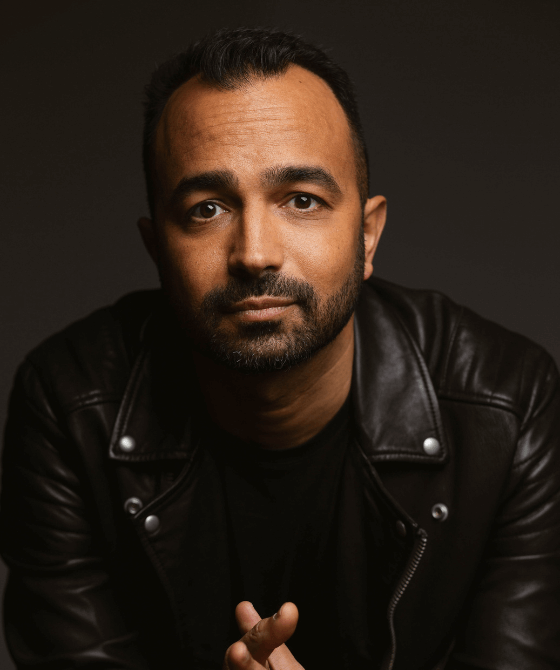
Talk with Michael Grief at IAB (Institute of Arts Barcelona)
In early 2026, Tony Award-nominated director Michael Greif visited the Institute of Arts Barcelona (IAB) in Sitges, Spain, for a candid masterclass and Q&A with musical theatre students. The event blended career reflections, live coaching, student performances, and audience questions, offering insights into Greif’s approach to directing iconic musicals and navigating the evolving theatre industry.
Bibliography
Michael Greif is one of the most influential theatre directors of the past three decades, best known for originating the Broadway productions of:
- Rent (1996) – Tony Award nomination for Best Direction of a Musical
- Next to Normal (2009) – Tony Award for Best Original Score (for the show), Drama Desk Award for Direction
- Dear Evan Hansen (2016) – Tony Award for Best Musical (as director)
- Grey Gardens (2006)
- If/Then (2014)
- War Paint (2017)
- Days of Wine and Roses (2024 Broadway)
- Hell’s Kitchen (2024 Broadway – Alicia Keys jukebox musical)
- The Notebook (2024 Broadway)
He began his career assisting Des McAnuff on *Big River*, directed numerous tours of that show, and launched his New York directing profile by self-producing a revival of *Machinal* (1989) that led to a residency at The Public Theater. Greif has maintained a long career balancing new works, revivals, plays, and musicals while teaching and mentoring young artists. He is particularly associated with emotionally intense, character-driven stories about family, grief, chosen communities, mental health, aging, and loss.

Interview
Why Greif Chose Directing Over Acting
Greif admitted he was “a terrible actor” and deeply afraid of performing in front of audiences. In high school, he discovered directing felt natural and comfortable – he could stay in the background, guide others forward, and still make a significant impact. He acted modestly in college but always viewed it as temporary. By his junior year, he began directing student productions that gained attention, building confidence he never found in acting. This early experience fostered tremendous respect for actors and shaped his empathetic communication style in rehearsals.
Graduate Training at UC San Diego and Early Professional Break
Michael Greif pursued graduate studies at UC San Diego under renowned director Alan Schneider[1] in a small, opportunity-rich program with only a few directors per class. The timing aligned perfectly: the professional La Jolla Playhouse opened on campus that same year, sharing facilities and providing grad students access to professional work. Greif assisted artistic director Des McAnuff for five years, later moving with him to Broadway. His first major credit came as associate/assistant director on Big River, which he inherited and directed on tours worldwide and internationally, gaining invaluable experience and financial stability to self-produce future projects.

Alan Schneider (1917–1984)
was a pivotal American theatre director renowned for introducing Samuel Beckett’s works to U.S. audiences, directing the American premieres of Waiting for Godot (1956), Endgame, Krapp’s Last Tape, and more. He also helmed the original Broadway productions of Edward Albee’s Who’s Afraid of Virginia Woolf? (1962) and several subsequent Albee plays. Known for his meticulous, text-driven approach, Schneider mentored generations of directors, including heading the graduate directing program at UC San Diego in the early 1980s, where he taught Michael Greif. His career bridged avant-garde and mainstream theatre until his tragic death in a 1984 London traffic accident.

Des McAnuff (1952)
is a two-time Tony Award-winning American-Canadian theatre director, producer, and playwright renowned for revitalizing major
institutions and helming landmark Broadway musicals. Born in Princeton, Illinois, and raised in Ontario, Canada, he began his career in Toronto before moving to New York, where he directed innovative productions early on. He served as Artistic Director of the La Jolla Playhouse from its 1983 revival until 1994, earning a Tony for the theatre and originating acclaimed shows like Big River (Tony for Best Musical, 1985), The Who's Tommy (Tony for Best Direction of a Musical, 1993), and How to Succeed in Business Without Really Trying.
Self-Producing as Career Breakthrough
After graduate school in 1985, Greif landed an emerging director project in New York but struggled to secure follow-up work. Facing a potential career shift by 1990, he followed advice from playwright Michael Weller: self-produce to create a “calling card.” In 1989, with funds from Big River and a collaborator, he revived the 1920s play Machiavelli (also known as The Mandrake), directing its episodic structure in varied styles to showcase versatility. The production caught the attention of Public Theater founder Joseph Papp, who offered Greif a year-long residency. This breakthrough paved the way for Jonathan Larson and New York Theatre Workshop to hire him for Rent.
Why Rent, Next to Normal, and Dear Evan Hansen Resonate So Deeply
These shows connect through powerful scores that “blow our emotional capacities wide open,” credible characters, and universal situations. Rent captures exuberant chosen-family formation amid HIV/AIDS devastation. Next to Normal serves as a litmus test for family dynamics, especially parenting through mental illness. Dear Evan Hansen explores guilt, isolation, and adolescent suicide ideation. Greif noted theatre audiences often seek love and belonging in chosen communities, mirroring his own experiences of finding understanding outside traditional family structures.
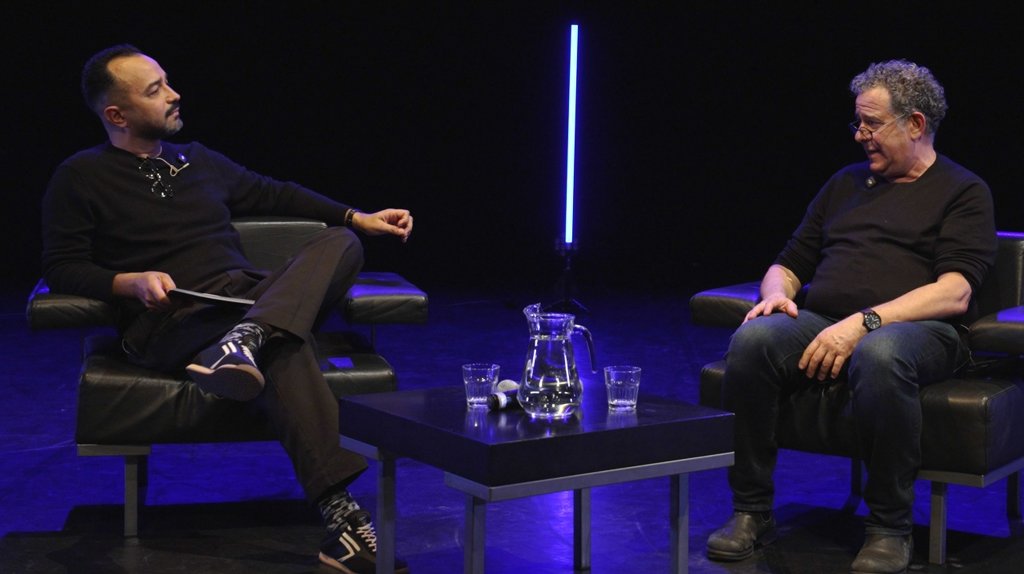
Directing Philosophy: Music Opens Emotions, Actors Must Meet Material Honestly
Greif prioritizes material where music, story, and collaborators excite him. He seeks pieces he can help improve and teams he’ll enjoy over years. Actors should interpret authentically in auditions; he avoids manipulative techniques, relying on capable performers who meet challenges head-on. Singing expresses deep emotions directly – especially in Rent, where strong vocal delivery often sufficed for emotional truth.
“Does the music speak to me? Does the story speak to me? Will my collaborators and I have a wonderful time together?”
Actor-Director Relationship - Trust, Two-Way Communication, Questioning Direction
Successful relationships require mutual trust and open dialogue. Greif welcomes actors questioning notes or suggesting alternatives – he values two-way engagement over one-way commands. In auditions, it’s more one-directional (proving capability), but rehearsals thrive on collaboration and honest feedback.
Advice for Recent Graduates Entering the Industry
See as much theatre as possible (despite costs), continue skill-building, and stay current with contemporary styles alongside classics. Self-tape proficiency matters. Greif encouraged persistence: when doubting viability, give one more big effort.
Changes in the theatre Industry
Post-COVID Broadway emphasized safety, reduced hours, and protective environments. Greif supports these changes but stressed actors must remain emotionally available to “danger” – risking vulnerability for truthful performance. Theatre demands putting oneself out there, akin to Greek tragedy or Meryl Streep in Sophie’s Choice. Without willingness for deep emotional exposure, he suggested considering other paths.
From Near Quitting to Shaping Iconic Musical Moments
In the late 1980s, Michael Greif nearly abandoned directing after several dry spells, but a self-produced revival of Machiavelli became the breakthrough that kept him going, reinforcing his advice to test yourself once or twice more before quitting.
Among his proudest moments are shaping songs like “Without You” from Rent and “Words Fail” from Dear Evan Hansen, while his directing process emphasizes immersing actors in the mindset of an era and thoughtfully adapting well-known material – such as recontextualizing Alicia Keys songs like “Fallen” and “Gramercy Park” in Hell’s Kitchen and navigating the challenges of adapting The Notebook.
Reflecting on Rent, Greif aimed to portray the East Village and HIV/AIDS community with affection and realism drawn from lived experience, and he sees strong creative leadership as building trust, listening to collaborators, and keeping everyone focused on the impact on audiences.

FAQs
Who is Michael Greif and what is he known for?
Michael Greif is an acclaimed American stage director (born ca. 1960 in Brooklyn, New York) specializing in developing and directing groundbreaking musicals. He is best known for his Tony-nominated work on emotionally resonant, contemporary shows that explore themes of loss, community, and personal struggle, earning him three Obie Awards and five Tony nominations for Best Direction of a Musical.
What are the most notable theater productions directed by Michael Greif?
His key productions include the original Rent (Off-Broadway and Broadway), Grey Gardens, Next to Normal, Dear Evan Hansen, If/Then, War Paint, Hell’s Kitchen, The Notebook, and Days of Wine and Roses. He also directed Rent: Live! for TV and has worked on numerous regional and international stagings.
What are Michael Greif's most acclaimed productions?
His most acclaimed works include Rent (Obie Award; Pulitzer Prize-winning musical), Next to Normal (Pulitzer Prize; Tony nomination), and Dear Evan Hansen (Tony Award for Best Musical; Tony nomination for direction). These are frequently cited as landmark works in modern musical theatre for their innovative scores and emotional depth.
Where can I find interviews or talks featuring Michael Greif?
Interviews and talks are available on YouTube (e.g., ABC News discussions on directing multiple shows, Playbill’s Broadway Q&A series, BUILD Series on Dear Evan Hansen, and older segments like the 1996 Rent Tonys aftermath); PBS American Masters Digital Archive (2003 interview); BroadwayWorld videos (e.g., picking shows that shaped him); and outlets like Time Out New York, Playbill, and Facebook/Good Morning America clips.
Where can I stream performances directed by Michael Greif?
Streaming options are limited for full stage productions (most live theatre isn’t widely streamed). Dear Evan Hansen has a 2021 film adaptation available on various platforms (e.g., streaming services like Peacock or rental on Prime Video/Apple TV). Rent: Live! (2019 Fox TV broadcast directed by Greif) may be available on Hulu or for purchase/rental. Original stage casts are not typically streamed legally online; check cast albums on Spotify/Apple Music or bootlegs (unofficial) at your own risk. Regional or tour productions occasionally appear on platforms like BroadwayHD, but Greif’s major shows are not consistently available.
Which theatre companies has Michael Greif frequently collaborated with?
He has deep ties to New York Theatre Workshop (Artistic Associate; original Rent), La Jolla Playhouse (former Artistic Director 1994–1999; early career base), Second Stage Theatre, Arena Stage, Playwrights Horizons, and the Public Theater. He has also worked extensively with Broadway producers and venues like the Goodman Theatre (Chicago) and National Theatre (Washington, D.C.).
Interview by Andy Señor Jr.
Videography by Roger Bayerri